Electrolytes for Fasting and Keto: What Breaks a Fast and What to Look For
Do electrolytes break a fast? Zero and low kilojoule electrolytes for fasting and keto compared on sodium, energy, sweetener and price, plus who should check with a doctor first.
 Lachlan Maskell
8 min read

Quick answer: Most zero-sugar electrolytes contain only a few kilojoules, so many people who fast are comfortable taking them, but strictly speaking anything with kilojoules ends a "zero-calorie" fast. For a strict fast, choose an unflavoured, zero-kilojoule option such as LMNT Raw. For keto or long fasts, higher-sodium products such as LMNT and Sodii are built for that use. For shorter fasts and fasting days you still train on, a moderate dose is enough. If you have diabetes, take regular medication, or are pregnant, talk to your doctor before fasting.
About this guide: Fluence publishes it and makes one of the products below. Every competitor fact comes from that brand's own website or an Australian retailer's listing, checked in October 2026, and there are no affiliate links.
Do electrolytes break a fast?
It depends on how strictly you define a fast. Most intermittent fasting advice means no kilojoules during the fasting window: water, black coffee and plain tea are fine, food and caloric drinks are not. By that definition:
- Unflavoured, zero-kilojoule electrolytes (plain salts with no sweetener or flavour) do not break a fast.
- Flavoured zero-sugar electrolytes usually carry a few kilojoules from flavours and acids. Sodii lists about 8.5 kJ a serve, Fluence Base 250 17 kJ and ReVitalise Sodium+ 26 kJ. That is very little, but it is not zero.
- Electrolytes with sugar break a fast.
Sweeteners are the grey area. Short-term studies suggest stevia and similar sweeteners do not raise blood glucose or insulin in most healthy people, but the evidence is short-term, and some clinicians advise avoiding them during a strict fast. If you fast for metabolic reasons and want to be certain, use an unflavoured product during the fast and save flavoured drinks for your eating window.
What is "hydration fasting"?
There is no agreed definition. It is not a recognised fasting protocol; most people searching for it want to know how to stay hydrated while they fast, whether that is intermittent fasting, Ramadan or a longer fast. Two terms are worth keeping apart from it:
- Dry fasting means no food and no fluid. Cleveland Clinic warns it can lead to dehydration and kidney problems, and that there is little research on it.
- Water-only fasting means water and nothing else. A small 2025 study led by University of Sydney researchers found a 10-day water fast put stress on the body, and the researchers advised people to speak to their doctor first.
Whatever kind of fast you follow, Dietitians Australia's advice is simple: "Drink water during fasting periods to avoid dehydration."
Why do people take electrolytes when fasting or on keto?
Mostly to offset the fluid and sodium people lose in the first days of very low-carbohydrate eating or longer fasts. A 2025 scoping review in Frontiers in Nutrition describes early weight loss on low-carbohydrate diets as mostly water, lost along with sodium, and links it to the headaches, tiredness and dizziness people call "keto flu", which usually settle within a few weeks. The same review notes there is little rigorous research on how much extra sodium people actually need, and Harvard Health points out that keto flu is not a recognised medical condition. So electrolytes may help some people feel better, but that has not been proven in trials.
The simplest options come first: plain water, and for some people a little salt with meals. An electrolyte drink is a convenient way to do the same thing.
How much sodium do you need when fasting?
There is no official fasting-specific target. Australia's Nutrient Reference Values set an Adequate Intake of 460 to 920 mg of sodium a day for adults and a Suggested Dietary Target of 2,000 mg a day, and most Australians eat more than that on normal days. Fasting and very low-carbohydrate eating cut out a lot of the salt that normally comes from food, which is why some products for this market carry 1,000 mg a serve. If you are unsure what suits you, ask your doctor or an Accredited Practising Dietitian, particularly if you have high blood pressure or a kidney or heart condition. More on daily needs: How much sodium do you actually need?
Electrolytes for fasting compared
| Product | Sodium (mg) | Energy per serve | Sugar | Sweetener | Price per serve (AUD) | Where to buy | Best for |
|---|---|---|---|---|---|---|---|
| Fluence Base 250 | 250 | 17 kJ | 0 g | Stevia | About $2.33 | fluence.au, Amazon Australia | Shorter fasts and fasting days you train on |
| HYRO Sugar Free | 500 | Not listed | Sugar free (brand) | Stevia | About $2.66 | Healthylife, Woolworths Everyday Market | A middle dose, flavoured |
| LMNT Raw (unflavoured) | 1,000 | 0 (brand) | 0 g | None | About $2.17 | LYTES, Yo Keto | Strict fasts, keto, long fasts |
| LMNT (flavoured) | 1,000 | Not listed | 0 g | Stevia | About $2.17 to $2.33 | LYTES, Yo Keto | Keto and long fasts, flavoured |
| ReVitalise Sodium+ Zero Sugar | 1,000 | 26 kJ | Under 1 g | Stevia | About $1.83 | revitalisedaily.com.au | High-sodium keto and low-carb, Australian made |
| Sodii Everyday Hydration Salts | 1,000 | About 8.5 kJ | Zero sugar (brand) | Stevia (unflavoured has none) | About $2.13 to $2.30 | sodii.com.au, Healthylife, LYTES | Keto and long fasts; unflavoured for strict fasts |
Figures are per serve as each brand or retailer lists them, checked in October 2026. Prices are regular prices for the most common pack; sales and subscriptions can be lower. Formulations and prices change, so check the current label before you buy.
How to choose an electrolyte for fasting
- Strict fast: unflavoured and zero kilojoules, such as LMNT Raw or Sodii Unflavoured. Australian retailers such as LYTES and Yo Keto group these as fasting electrolytes.
- Keto, low-carb or fasts longer than a day: a higher-sodium product (around 1,000 mg) is built for this. Flavoured or unflavoured depends on how strict you are.
- Shorter daily fasts, or fasting days you still train on: a moderate dose is enough for most people, and you can take it at the end of the fast or in your eating window.
- Check the label for sugar and maltodextrin. Both add carbohydrate. More on reading a label: Sugar free electrolytes in Australia.
Who should talk to a doctor before fasting with electrolytes?
Fasting is not suitable for everyone. Talk to your doctor before you start if any of these apply:
- Diabetes, or diabetes medicines. Dietitians Australia says people on diabetes medicines should not try intermittent fasting without talking to their doctor first. Some medicines, including SGLT2 inhibitors, carry extra risks during fasting.
- Blood pressure medicines. Diabetes Australia notes these may need to be reviewed.
- Kidney or heart conditions. Changes in salt and fluid intake matter more.
- Pregnancy or breastfeeding. Dietitians Australia says intermittent fasting is not suitable during pregnancy or breastfeeding.
- A history of eating disorders.
- Under 18. Fasting is not recommended for children and teenagers.
Where Fluence fits
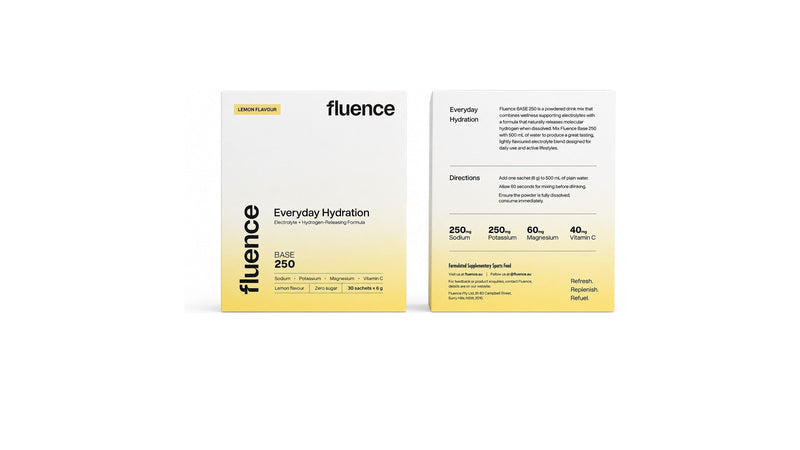
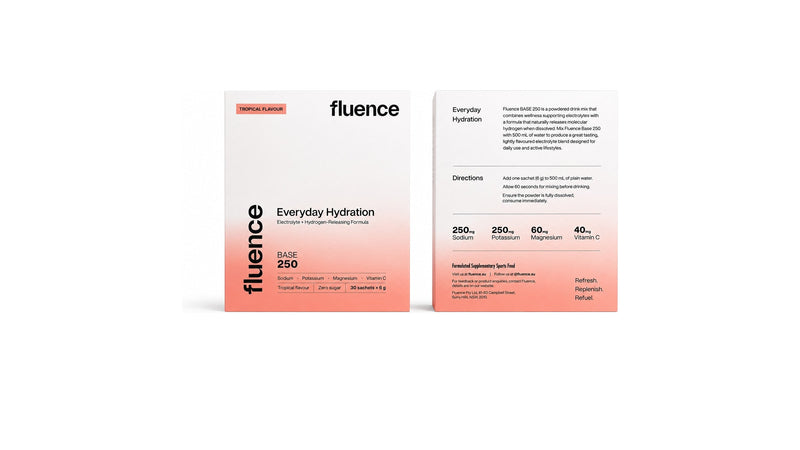
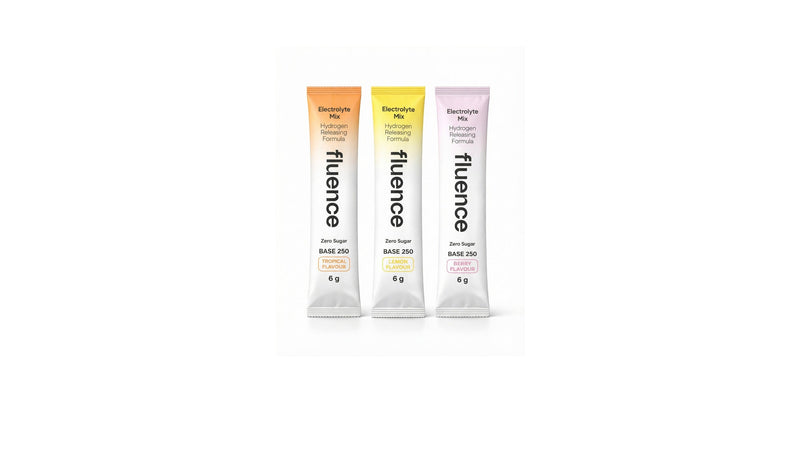
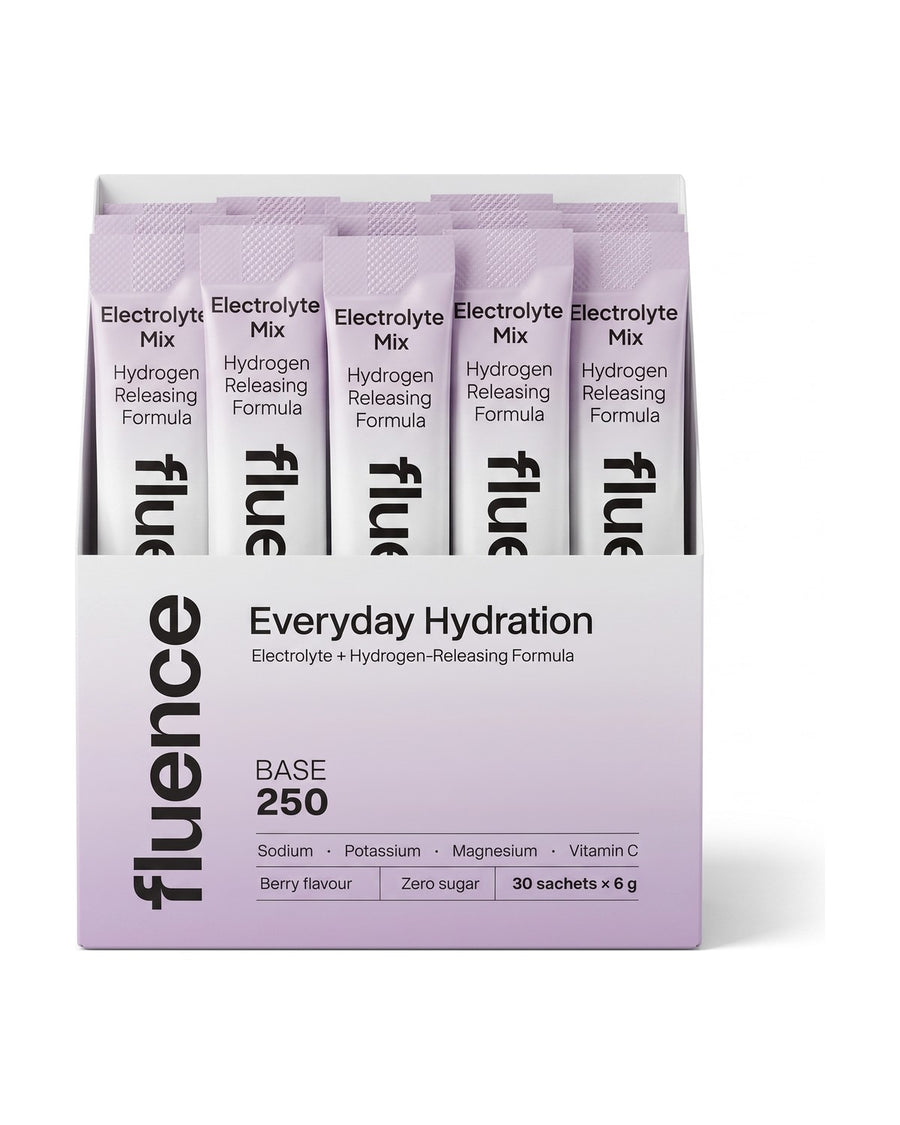
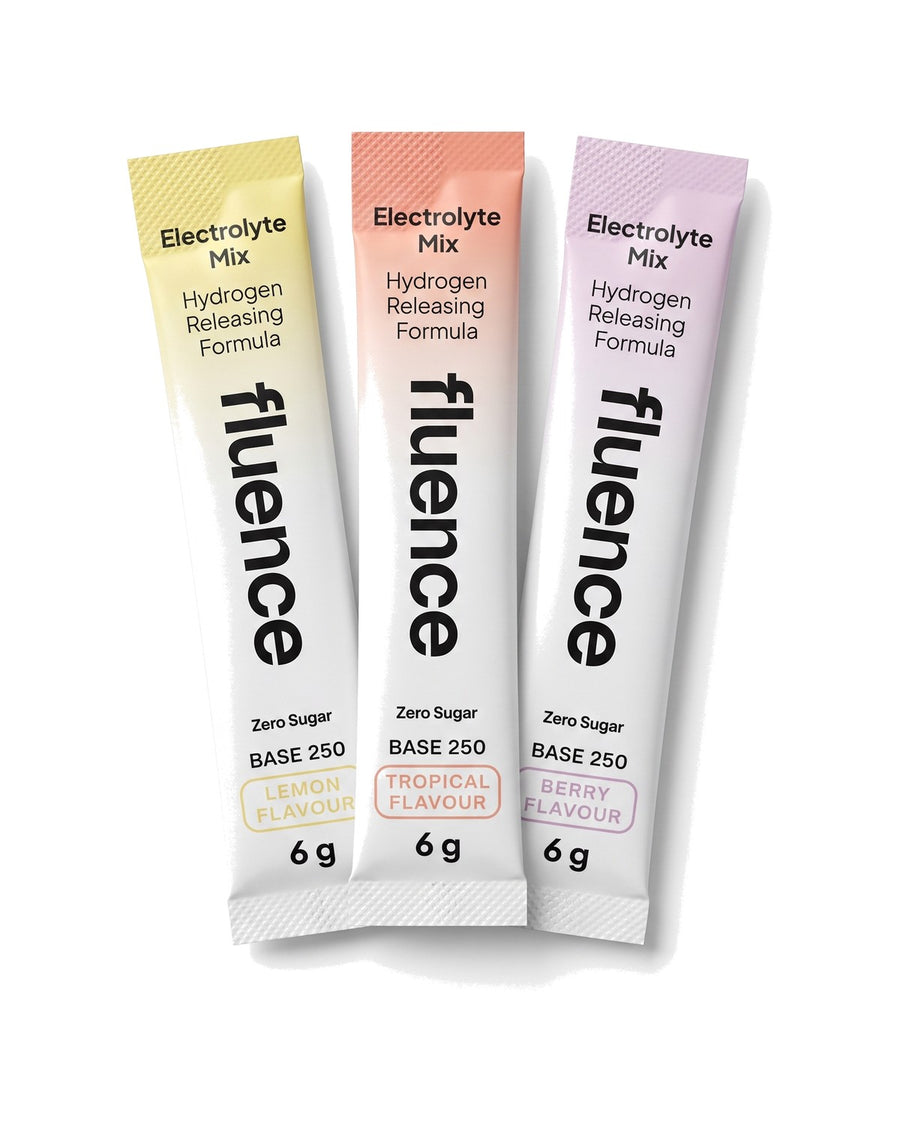
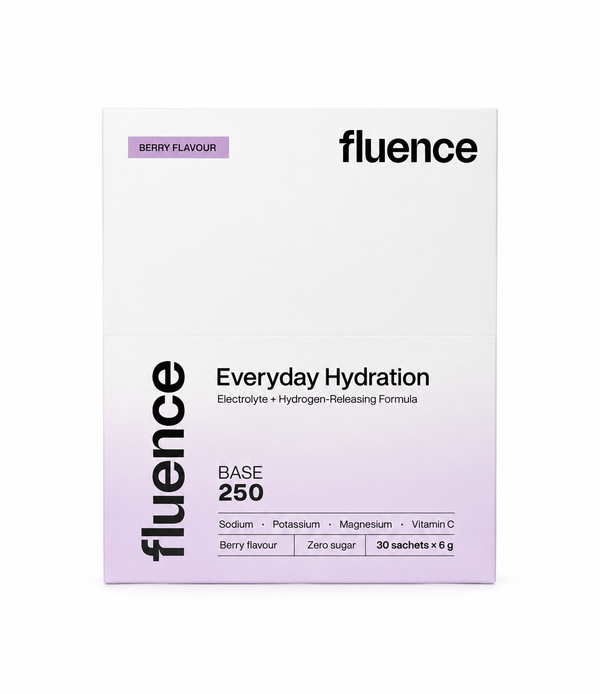
Fluence Base 250 is an Australian-owned, zero-sugar electrolyte powder. Each 6 g sachet has 250 mg sodium, 250 mg potassium and 60 mg magnesium, plus 40 mg vitamin C, and is 17 kJ (4 Cal) a serve, sweetened with stevia. That makes it a moderate-dose option for shorter fasts and fasting days you still train on, if you are comfortable with a few kilojoules. It is not a strict zero-kilojoule product, and for keto or long fasts a 1,000 mg product suits better. Tear open a sachet, pour it into about 500 ml of water, then stir or shake until dissolved. The 500 ml is just a guide: use more or less water to suit your taste. See Base 250.
Base 250 is a formulated supplementary sports food and is not suitable for children under 15 years of age or pregnant women; it should only be used by them under medical or dietetic supervision.
For the wider comparison, see Best electrolytes in Australia: an honest comparison.
FAQ
Do electrolytes break a fast? Unflavoured, zero-kilojoule electrolytes do not. Flavoured zero-sugar electrolytes usually carry a few kilojoules (about 8 to 26 kJ a serve in the products above), which technically ends a strict zero-calorie fast, though many people who fast accept that. Electrolytes with sugar break a fast.
What are the best electrolytes for fasting in Australia? For a strict fast, an unflavoured zero-kilojoule product such as LMNT Raw or Sodii Unflavoured. For keto and long fasts, higher-sodium products such as LMNT, Sodii and ReVitalise Sodium+. For shorter fasts and fasting days you train on, a moderate dose such as Fluence Base 250.
What is hydration fasting? It is not a defined fasting protocol. Most people searching for it want to know how to stay hydrated while fasting. It is different from dry fasting (no food or fluid), which Cleveland Clinic warns can cause dehydration and kidney problems.
Can you take electrolytes on keto? Yes. Many people on very low-carbohydrate diets take electrolytes because early weight loss is mostly water and sodium. Whether it prevents "keto flu" has not been tested in trials. If you have high blood pressure or a kidney condition, check with your doctor first.
Does stevia break a fast? Stevia has no kilojoules, and short-term studies suggest it does not raise blood glucose or insulin in most healthy people. The evidence is short-term, so if you fast strictly for metabolic reasons, an unflavoured product removes the question.
Sources
- Dietitians Australia, Intermittent fasting: https://dietitiansaustralia.org.au/health-advice/intermittent-fasting
- Diabetes Australia, Intermittent fasting: https://www.diabetesaustralia.com.au/blog/intermittent-fasting/
- Healthdirect, Ketogenic diet: https://www.healthdirect.gov.au/ketogenic-diet
- Johns Hopkins Medicine, Intermittent fasting: https://www.hopkinsmedicine.org/health/expert-qa/intermittent-fasting-what-is-it-and-how-does-it-work
- Cleveland Clinic, Dry fasting: https://health.clevelandclinic.org/dry-fasting
- University of Sydney, water-only fasting study (2025): https://www.sydney.edu.au/news-opinion/news/2025/05/13/seek-medical-advice-before-attempting-water-only-fasting-diets-experts-warn.html
- Skartun O et al. Frontiers in Nutrition, 2025 (low-carbohydrate diets, sodium and early symptoms): https://www.frontiersin.org/journals/nutrition/articles/10.3389/fnut.2025.1538266/full
- Harvard Health, What is keto flu?: https://www.health.harvard.edu/blog/what-is-keto-flu-2018101815052
- Zhang Y et al. Nutrients, 2023 (non-nutritive sweeteners, acute effects): https://www.mdpi.com/2072-6643/15/4/1050
- NHMRC Nutrient Reference Values, sodium: https://www.eatforhealth.gov.au/node/108
- LMNT ingredients: https://cart.drinklmnt.com/pages/ingredients
- Sodii Everyday Hydration Salts: https://sodii.com.au/products/everyday-hydration-salts
- HYRO, Healthylife listing: https://www.healthylife.com.au/products/hyro-electrolyte-sachets-orange-mango-hasta-15-x-4g
- ReVitalise Sodium+ Zero Sugar: https://revitalisedaily.com.au/products/sodium-zero-sugar-electrolytes
- Fluence Base 250: https://fluence.au/products/base-250
This article is general information only and is not medical advice. If you have a medical condition, take medication, or are pregnant or breastfeeding, talk to your doctor before fasting or changing your salt intake.

Co-founder of Fluence. Writes about nasal breathing, hydration and the training that shaped both products.
This article is general information only and is not medical or dietary advice. If you have ongoing health or hydration concerns, are pregnant, or take prescribed medication, speak with your doctor, pharmacist or an accredited dietitian.
Base 250 is a formulated supplementary sports food. It is not suitable for children under 15 years of age or pregnant women, and should only be used under medical or dietetic supervision by those groups. It is not a sole source of nutrition and should be consumed in conjunction with a nutritious diet and appropriate physical training or exercise program.
Published 02/11/2026 · Updated 02/11/2026
← Back to Learn