Do nasal strips work? What the evidence shows
 Lachlan Maskell
5 min read
Lachlan Maskell
5 min read

On this page
If you’ve ever seen someone wearing a strip across their nose during training or before bed, you’ve probably wondered:
Do nasal strips actually work?
The short answer: yes, for the right purpose.
But understanding how they work is what matters.
How Do Nasal Strips Work?
Nasal strips work mechanically.
They sit across the bridge of your nose and gently lift the sides of the nasal passages outward. This helps reduce airflow resistance and supports easier breathing through the nose.
There are:
- No active ingredients
- No sprays
- No stimulants
They don’t change your chemistry.
They simply support airflow.
That’s why they’re often described as drug-free breathing support.
Why Nasal Airflow Matters
Your nose is designed to:
- Filter air
- Warm air
- Humidify air
When nasal passages feel restricted, many people default to mouth breathing. This is common during:
- High-intensity training
- Endurance sessions
- Sleep
- Seasonal congestion
Supporting nasal airflow can make breathing feel more controlled and comfortable.
That’s where nasal strips come in.
Do Nasal Strips Work for Sleep?
Many people use nasal strips before bed to support nasal breathing overnight.
When nasal airflow feels restricted, mouth breathing often increases. Some people find that improving nasal airflow helps them feel more comfortable while sleeping.
Because nasal strips are:
- External
- Non-invasive
- Drug-free
They’re a simple option for people who prefer not to rely on sprays or medicated solutions.
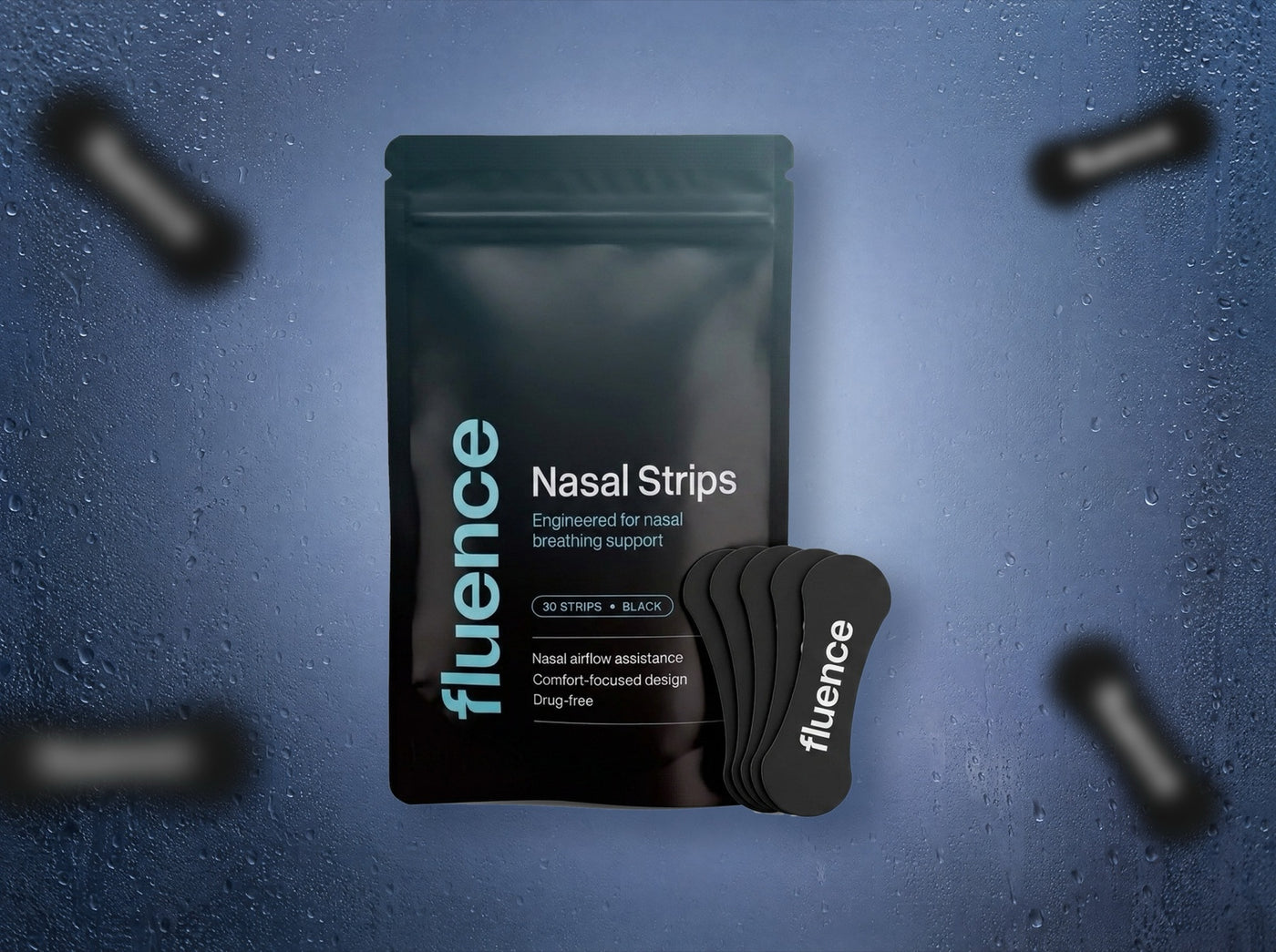
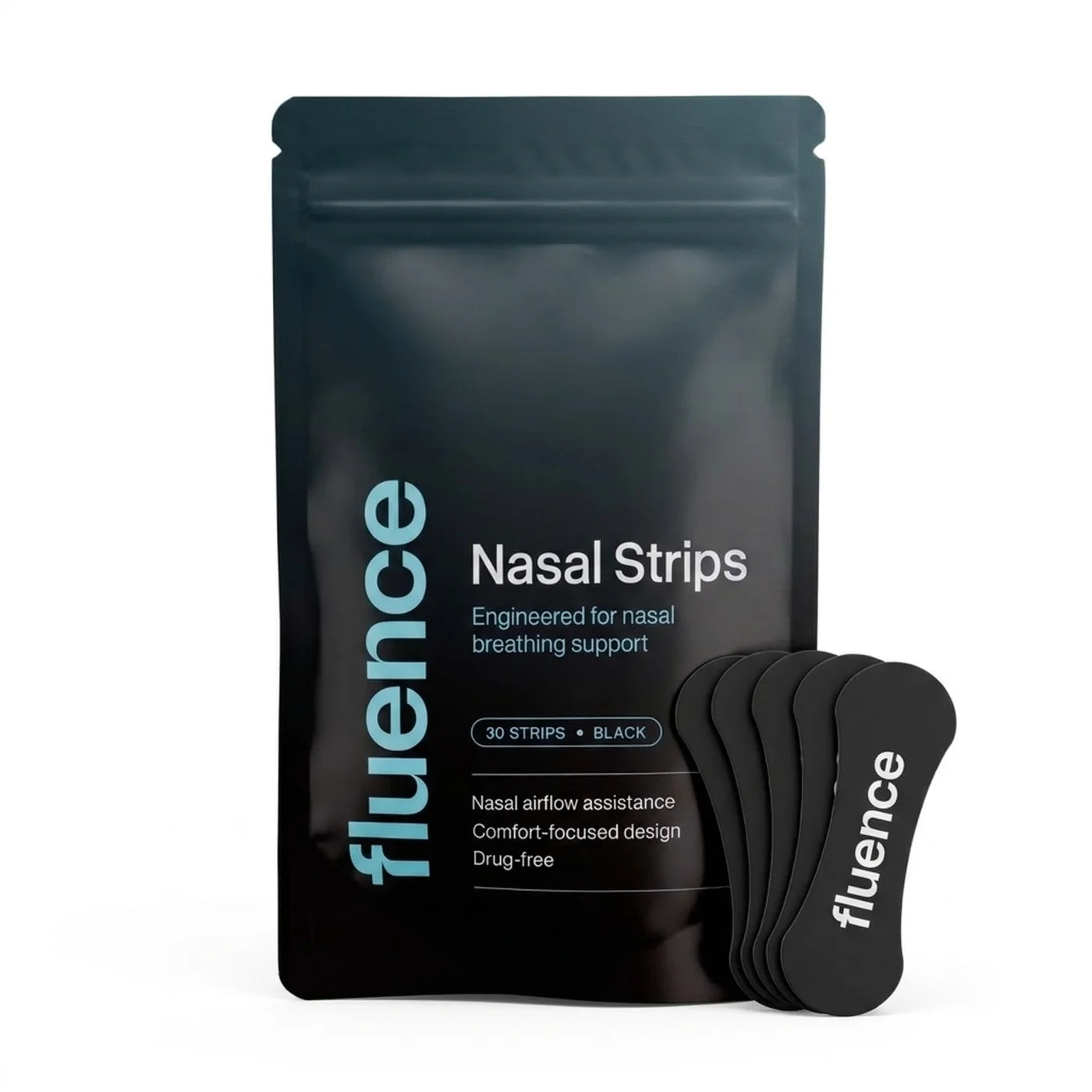
Fluence Nasal Strips are designed for external use only and made with hypoallergenic materials, making them suitable for regular use as part of a sleep routine.
Do Nasal Strips Work for Training?
Athletes commonly use nasal strips during:
- High-intensity intervals
- Conditioning sessions
- Long endurance efforts
- Gym classes
Breathing rhythm becomes especially important during sustained effort. When airflow feels restricted, breathing can feel more laboured.
Nasal strips are noticeable almost immediately once applied. There’s no learning curve. Just apply and train.
For many people, they become part of a routine rather than a one-off novelty.
Who Benefits Most From Nasal Strips?
Nasal strips may be helpful for:
- Runners
- CrossFit athletes
- Strength trainees
- Cyclists
- Everyday gym members
- People who prefer nasal breathing during sleep
They’re relevant to both serious endurance athletes and general gym-goers.
Because they’re visible and easy to use, they’ve become increasingly common in training environments.
Are Nasal Strips Safe?
Fluence Nasal Strips are:
- Drug-free
- Non-invasive
- Designed for external use
- Made with hypoallergenic materials
They rely on simple mechanical design rather than active ingredients.
If you have sensitive skin or medical concerns, it’s always worth speaking with a health professional before introducing any new product.
What does the research actually show?
It helps to separate the mechanism from the outcomes.
The mechanism is well established. External nasal dilator strips have been studied for decades, and research consistently shows they widen the nasal valve - the narrowest point of the airway - and reduce nasal airflow resistance. That part is not controversial. Fluence strips give up to 35% more airflow versus no strip. Individual results vary.
Snoring. The evidence here is mixed but promising for the right person: studies report reduced snoring intensity or frequency for some users, particularly where snoring is linked to nasal congestion or narrow nasal passages. If your snoring comes from somewhere else - the soft palate, sleep position, or a condition like sleep apnoea - a strip on your nose is unlikely to fix it.
Sleep apnoea. Nasal strips are not a treatment for sleep apnoea, and the research does not support using them as one. If you stop breathing during sleep, wake gasping, or feel exhausted despite full nights, speak to your doctor.
Sports performance. Controlled studies have generally not found consistent improvements in VO2 max or race performance. What athletes reliably report is easier nasal breathing and better breathing rhythm at submaximal intensities - a comfort and control benefit rather than a stopwatch one. We think that's exactly how they should be sold.
The Bottom Line: Do Nasal Strips Work?
Yes, nasal strips work by physically supporting nasal airflow.
They do not treat medical conditions.
They do not contain medication.
They do not alter your body chemically.
They gently open the nasal passages to help reduce airflow resistance.
For people looking for a simple, external way to support breathing during training or sleep, they’re one of the most straightforward tools available.
No sprays.
No stimulants.
No complicated systems.
Just mechanical support for better airflow.
If you want to try them, Fluence backs every pack with a 30-day money-back guarantee, so there is nothing to lose in seeing how they feel for you.
Frequently asked questions
Do nasal strips work for snoring?
They can reduce snoring linked to nasal congestion or narrow nasal passages by holding the airway open. Results vary, and they do not treat sleep apnoea.
How much difference do nasal strips make?
Fluence strips give up to 35% more airflow versus no strip. Individual results vary.
How long do nasal strips take to work?
The lift is mechanical and immediate - you should feel easier nasal airflow within seconds of applying the strip properly.
Can you wear nasal strips every night?
Yes. Fluence strips are drug-free and external, so there is no medication, rebound congestion or dependency to worry about with regular use. They are made with hypoallergenic materials, which makes them suitable for a nightly routine. If your skin is sensitive, give it a break if you notice any irritation.
Do nasal strips help with a deviated septum?
A strip can offer some temporary relief for a mild deviation by opening the nasal valve, the narrow point just inside the nostrils, which is often a second restriction point. It does not correct the structural deviation itself. If a significant septum issue is affecting your breathing or sleep, speak with your doctor about the options.
Keep reading

Co-founder of Fluence. Writes about nasal breathing, hydration and the training that shaped both products.
This article is general information only and is not medical advice. Nasal strips are drug-free, external-use products and do not treat medical conditions, including sleep apnoea. If you have ongoing snoring, sleep or breathing concerns, speak with your doctor.
Published 08/07/2026 · Updated 26/09/2026
← Back to Learn