How is hydrogen water made? Bottles vs tablets vs sachets
 Lachlan Maskell
3 min read
Lachlan Maskell
3 min read

On this page
Hydrogen water is made three ways: electrolysis bottles and machines that split water to add molecular hydrogen, reactive tablets dropped into water to release it, and drink-mix sachets that release hydrogen as they dissolve. They differ mainly in price, convenience and upkeep - from four-figure machines to a few dollars per serve. Here's how each works.
How do electrolysis bottles and machines work?
These use electricity to split water molecules, releasing hydrogen gas into the water you drink - a process called electrolysis. Portable bottles do it in a single serve; countertop machines do it for a whole household. They work, but they carry the highest upfront cost (roughly $90 to well over $1,000), need charging or plumbing, and need regular cleaning to keep the plates working. The electrodes can also degrade over time.
How do hydrogen tablets work?
Hydrogen tablets are dropped into a glass of water, where they react and release hydrogen as they dissolve. They're more portable than a device and cheaper upfront. The trade-offs: they're a single-purpose product (hydrogen only, no electrolytes or flavour unless added), and it's another item to buy, store and manage.
How do hydrogen drink-mix sachets work?
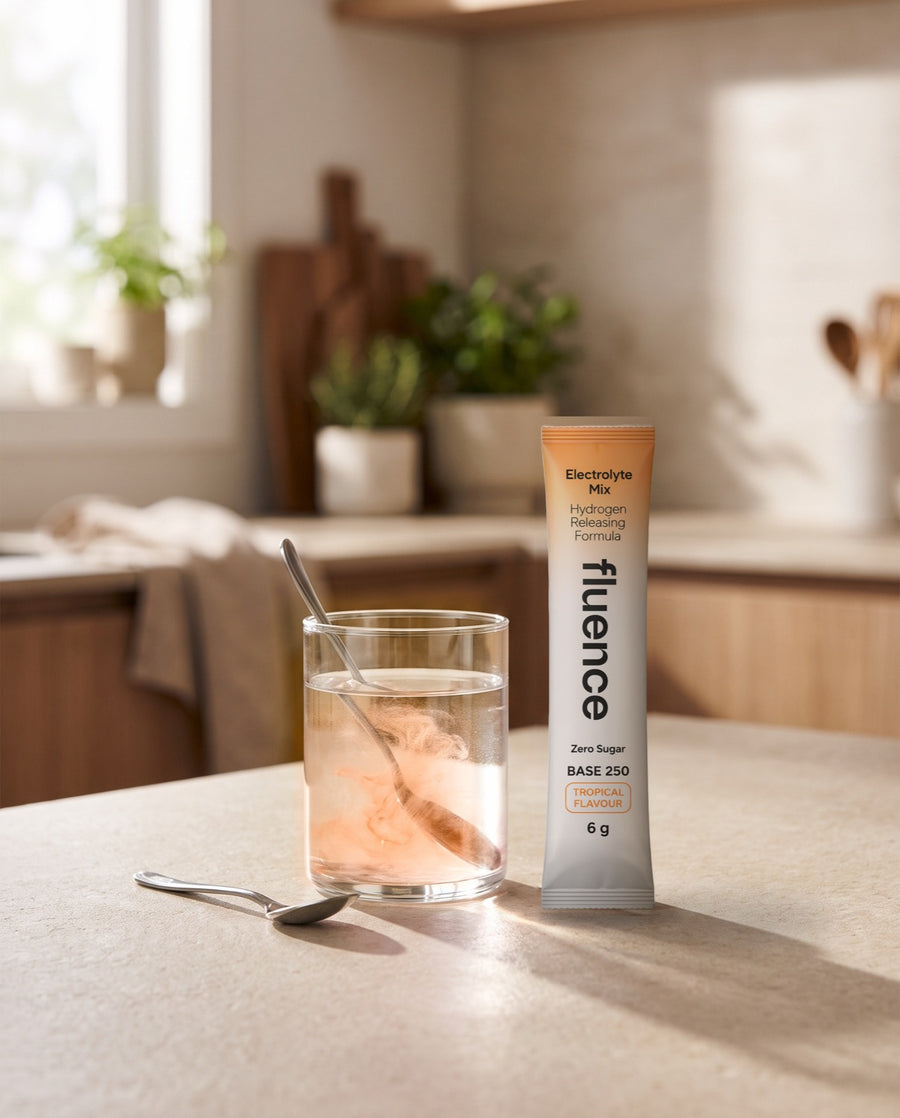
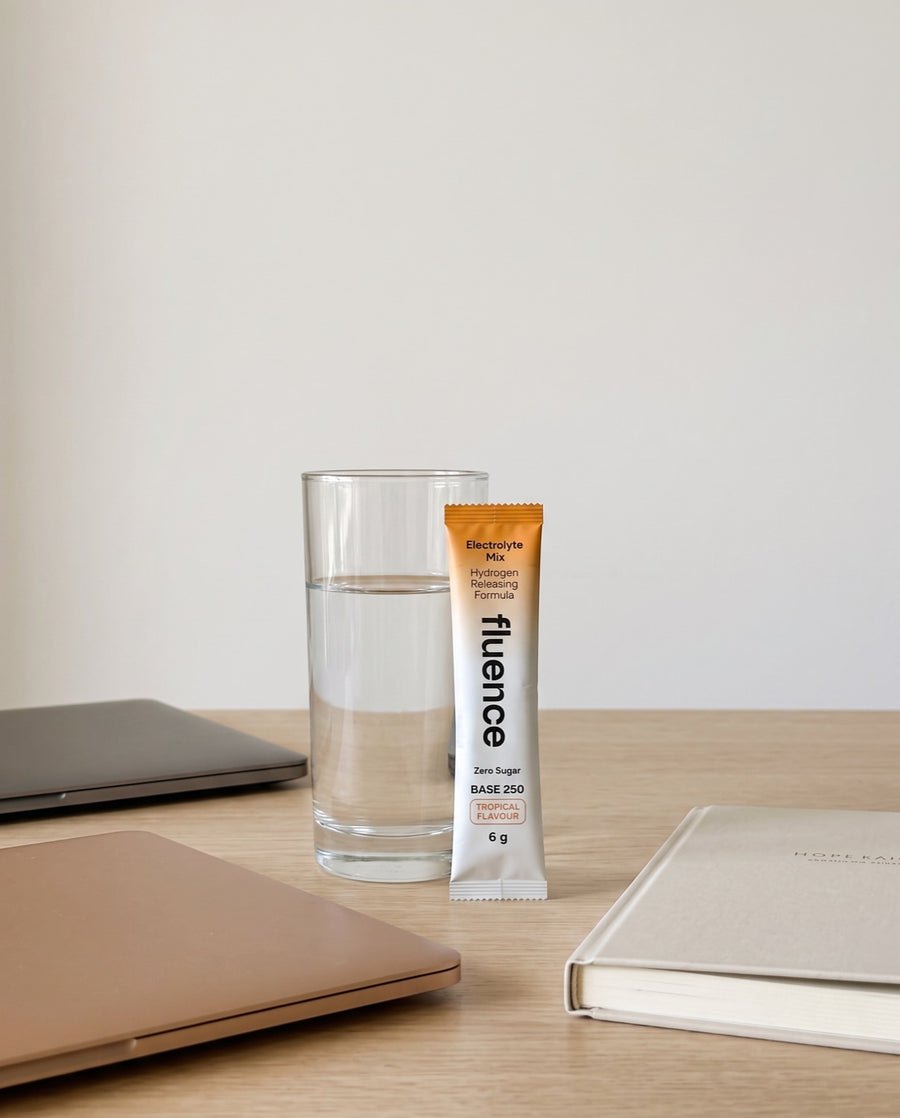
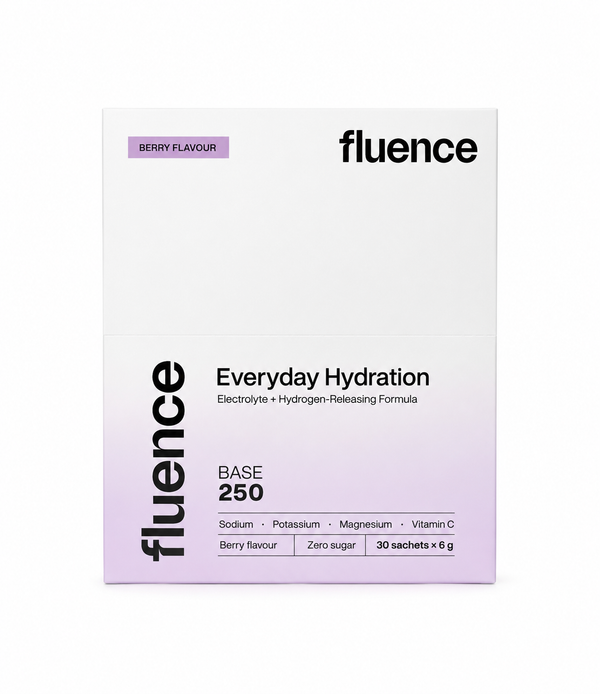
A drink-mix sachet dissolves into water and releases molecular hydrogen as it does. The advantage is that everything is built into one sachet - hydrogen plus electrolytes and flavour - with no device to charge or clean. Fluence Base 250 works this way: tear, pour, stir, drink. It's the lowest-friction way to get hydrogen water, and it doubles as an electrolyte drink.
Which method is right for you?
- Bottles/machines: best if you want the highest hydrogen output and don't mind the cost and maintenance.
- Tablets: best if you want hydrogen only, portable, and don't need electrolytes or flavour.
- Sachets: best if you want the simplest, no-hardware option that also gives you electrolytes and taste.
We break the money down separately. What does hydrogen water cost?
How does Fluence Base 250 compare?
Base 250 is a hydrogen-releasing electrolyte sachet - no device, no charging, no cleaning. Three flavours, zero sugar, non-carbonated, 250mg sodium and 250mg potassium per serve, Australian owned. It's the sachet route: the least gear, the least fuss. Explore Base 250.
Frequently asked questions
What's the cheapest way to make hydrogen water?
Per serve, drink-mix sachets and tablets are far cheaper than machines.
Do hydrogen water machines work?
Yes, they use electrolysis to add hydrogen - the trade-offs are cost and maintenance, not whether they function.
Are hydrogen tablets the same as effervescent electrolyte tablets?
Not necessarily - some effervescent tablets are electrolyte-only. Check whether a product is designed to release molecular hydrogen.
Does Base 250 need a device?
No. It's a sachet that releases hydrogen as it dissolves in ordinary water.

Co-founder of Fluence. Writes about nasal breathing, hydration and the training that shaped both products.
This article is general information only and is not medical or dietary advice. If you have ongoing health or hydration concerns, are pregnant, or take prescribed medication, speak with your doctor, pharmacist or an accredited dietitian.
Base 250 is a formulated supplementary sports food. It is not suitable for children under 15 years of age or pregnant women, and should only be used under medical or dietetic supervision by those groups. It is not a sole source of nutrition and should be consumed in conjunction with a nutritious diet and appropriate physical training or exercise program.
Published 08/07/2026 · Updated 21/07/2026
← Back to Learn