Zero-sugar electrolytes: how to read the label
 Lachlan Maskell
3 min read
Lachlan Maskell
3 min read

On this page
Many electrolyte and sports drinks carry significant added sugar, and the label doesn't always make it obvious. To know what you're actually getting, check four things: sugar per serve, sodium amount, the full mineral profile, and serving size. Here's how to read an electrolyte label properly so you're not caught out.
1. Check the sugar per serve first
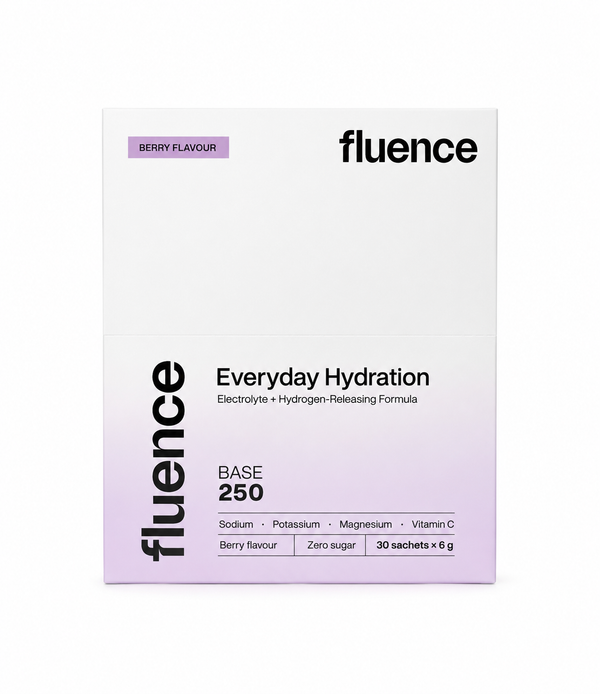
A lot of hydration and sports drinks use sugar for taste, and it adds up. Look at the "sugars" line per serve, not just per 100ml, and watch for names like glucose, sucrose, dextrose and fructose. If you want hydration without the sugar hit, look for a genuine zero-sugar product. Base 250 has zero sugar.
2. Check the sodium amount
Sodium is the headline electrolyte, but the amount matters. Around 1,000mg signals a race-day formula for heavy sweating; a moderate amount like 250mg is built for everyday use. Neither is "wrong" - they're for different jobs - so match it to how you'll actually use it. How much sodium do you actually need?
3. Check the full mineral profile
Sodium alone isn't the whole story. Look for potassium (it works with sodium in fluid balance), magnesium, and how they're balanced. A label that lists a sensible spread - rather than a huge sodium number and little else - tells you more thought went into it. Base 250 lists 250mg sodium, 250mg potassium, 60mg magnesium and vitamin C.
4. Check the serving size and format
Make sure you're comparing like for like. Some labels quote per 100ml, some per serve, some per two servings. Check the grams per serve and how many serves you're actually getting, so a cheap-looking product isn't just a smaller serve. Base 250 is a 6g serve per sachet.
What "zero sugar" should mean
Genuinely zero sugar per serve - not "low sugar," not "no added sugar" while still containing plenty. Read the sugars line to confirm. Zero-sugar hydration lets you top up electrolytes without an unwanted sugar load, which matters most if you're drinking it regularly.
Where Fluence fits
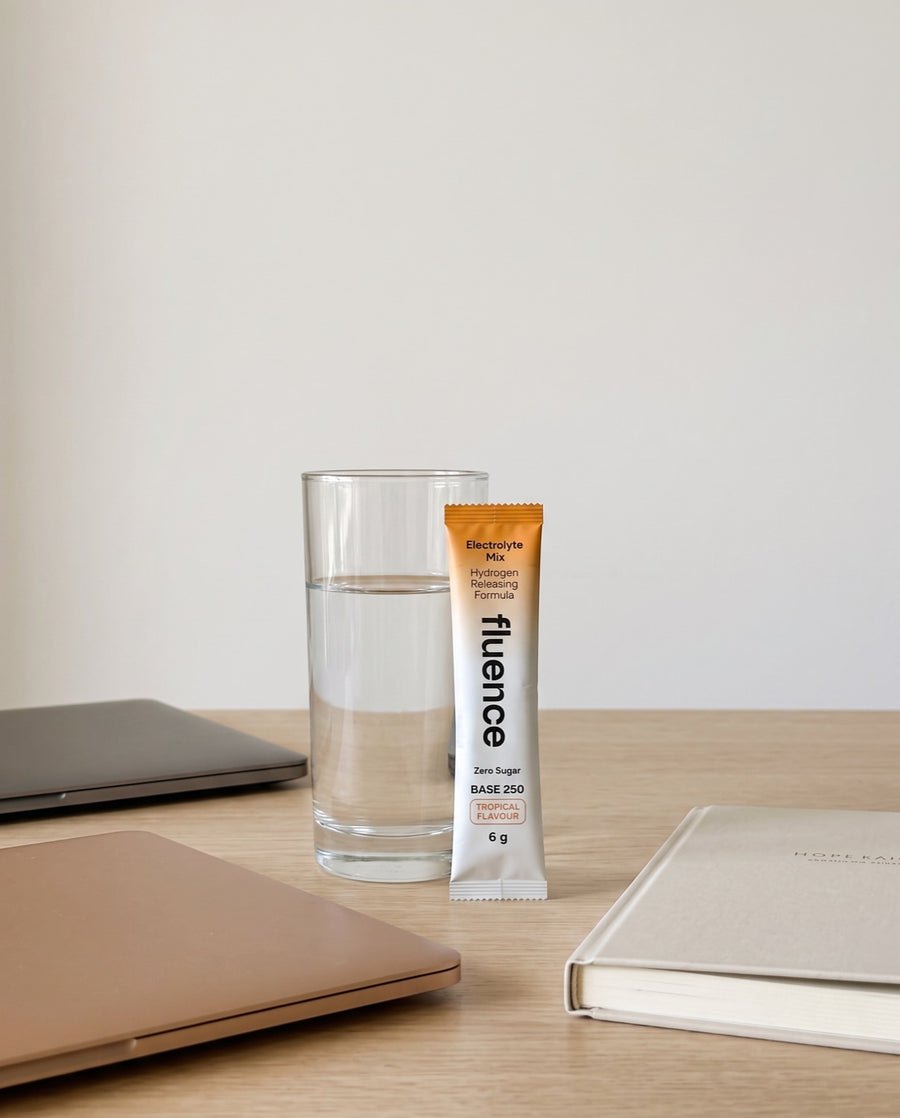
Base 250 is zero sugar, with a balanced, clearly listed mineral profile and a 6g serve - an everyday electrolyte drink where you can see exactly what's in the glass. Explore Base 250.
Frequently asked questions
Do electrolyte drinks have sugar?
Many do, sometimes a lot - always check the sugars line per serve.
What does "zero sugar" mean on an electrolyte label?
Genuinely no sugar per serve; don't confuse it with "no added sugar."
What should I look for on an electrolyte label?
Sugar per serve, sodium amount, the full mineral profile, and serving size.
Does Base 250 have any sugar?
No - zero sugar per serve.

Co-founder of Fluence. Writes about nasal breathing, hydration and the training that shaped both products.
This article is general information only and is not medical or dietary advice. If you have ongoing health or hydration concerns, are pregnant, or take prescribed medication, speak with your doctor, pharmacist or an accredited dietitian.
Base 250 is a formulated supplementary sports food. It is not suitable for children under 15 years of age or pregnant women, and should only be used under medical or dietetic supervision by those groups. It is not a sole source of nutrition and should be consumed in conjunction with a nutritious diet and appropriate physical training or exercise program.
Published 08/07/2026 · Updated 21/07/2026
← Back to Learn