Antioxidants and reactive molecules, explained
 Lachlan Maskell
2 min read
Lachlan Maskell
2 min read

On this page
Antioxidants get talked about like a team of heroes fighting villains called free radicals. The real picture is more interesting and less dramatic. Here's the plain-English version, and where molecular hydrogen fits in.
What reactive molecules are
Your body produces reactive molecules - often called free radicals or reactive oxygen species - constantly, as a normal by-product of turning food and oxygen into energy. Exercise produces more of them. They are not simply "bad": at normal levels they act as signals the body uses, including in the adaptations that make training work.
What antioxidants do
Antioxidants are molecules that neutralise reactive molecules. Your body makes its own and gets more from food - fruit, vegetables, the usual suspects. The goal is balance, not elimination: research on high-dose antioxidant supplements has repeatedly failed to show the benefits people expected, and mega-dosing around training may even blunt some adaptation signals.
Where molecular hydrogen fits
Part of the research interest in molecular hydrogen is the hypothesis that it may act selectively - engaging with the most harmful reactive molecules while leaving normal signalling alone. That selectivity idea is exactly what studies are still working to establish; research suggests molecular hydrogen may support the body's antioxidant capacity, and we leave it at that hedged, honest level. Where the research is up to.
The takeaway
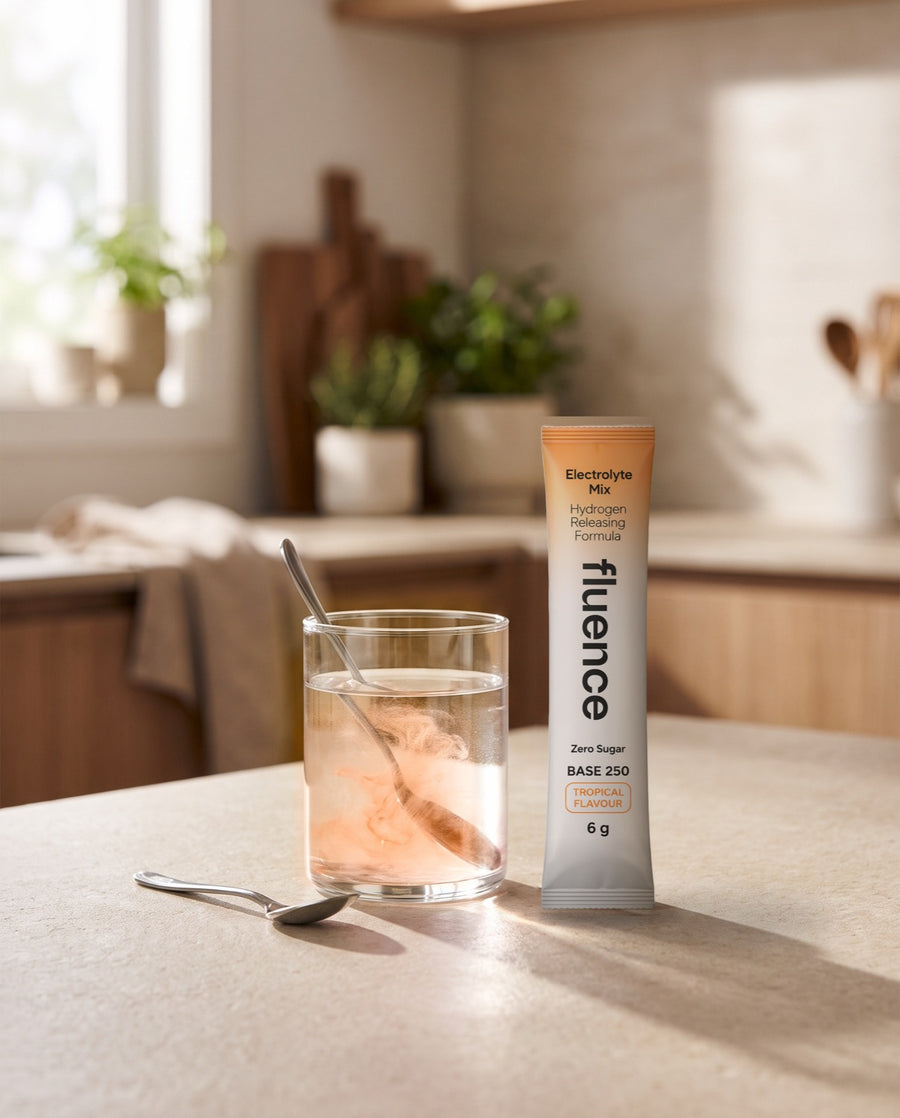
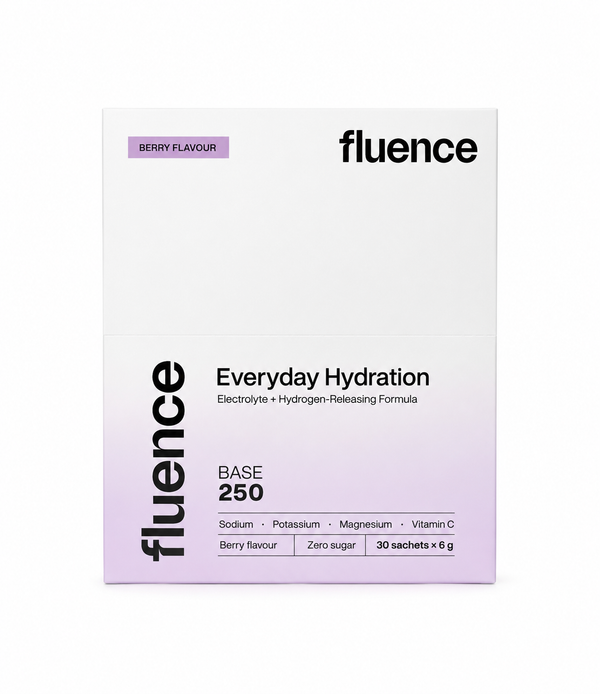
Eat plants, train, sleep, hydrate - that's the antioxidant strategy with the strongest evidence. If the hydrogen research interests you, a sachet like Base 250 is the low-cost way to follow along at home while science does its slow, careful work.
Frequently asked questions
Are free radicals bad for you?
Not inherently - they're a normal by-product of energy production and act as signals at normal levels. Problems relate to excess, which is why balance beats elimination.
Should I take antioxidant supplements?
Research on high-dose antioxidant supplements has largely disappointed, and mega-dosing around training may blunt adaptation. Food-first is the evidence-backed approach.
Is molecular hydrogen an antioxidant?
Research suggests it may support the body's antioxidant capacity, with a hypothesis that it acts selectively. It's promising but still-developing science.
Keep reading

Co-founder of Fluence. Writes about nasal breathing, hydration and the training that shaped both products.
This article is general information only and is not medical or dietary advice. If you have ongoing health or hydration concerns, are pregnant, or take prescribed medication, speak with your doctor, pharmacist or an accredited dietitian.
Base 250 is a formulated supplementary sports food. It is not suitable for children under 15 years of age or pregnant women, and should only be used under medical or dietetic supervision by those groups. It is not a sole source of nutrition and should be consumed in conjunction with a nutritious diet and appropriate physical training or exercise program.
Published 09/07/2026 · Updated 21/07/2026
← Back to Learn